
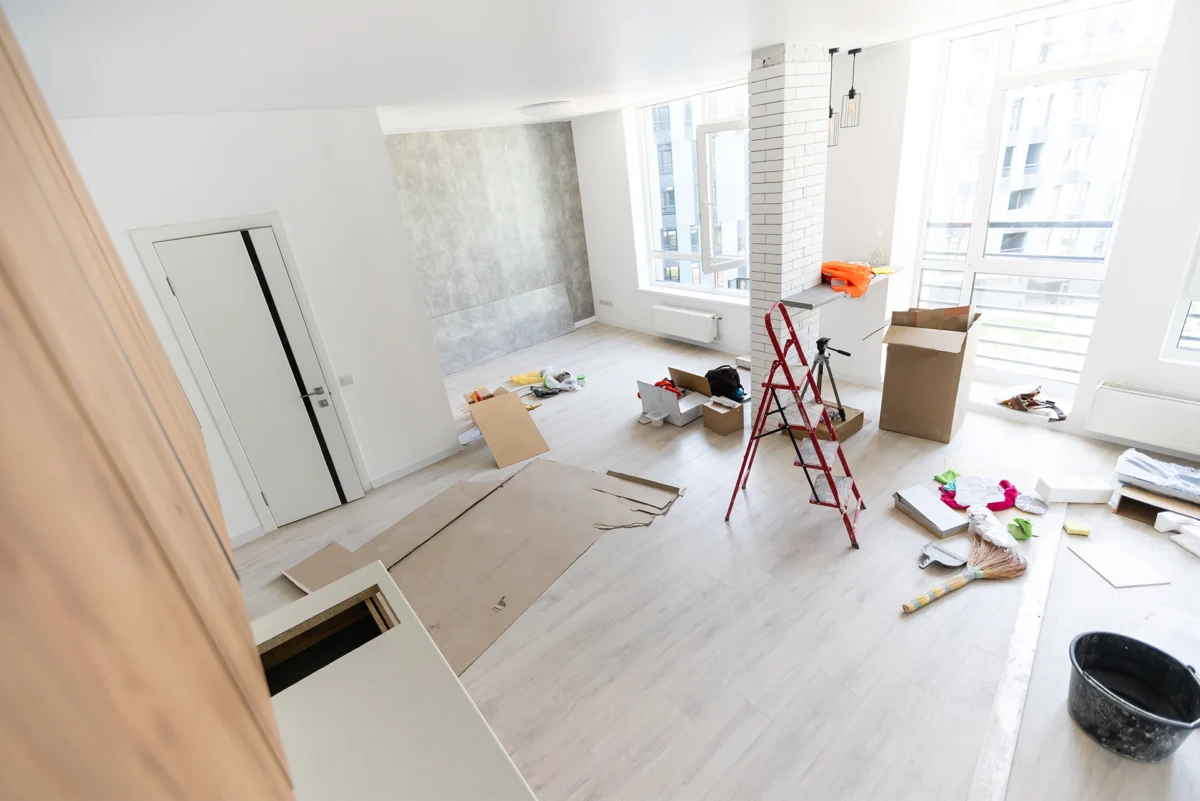
Renovating your home can improve comfort, function, and property value. What many homeowners overlook is how those changes affect home insurance coverage. Some renovations increase risk, others reduce it, and many require policy updates to avoid gaps in protection.
This guide explains how common home renovations affect insurance coverage in Ontario and what steps to take before, during, and after your project to stay properly insured.
Related Article: Insurance Regulation Changes to Watch in 2026 in Canada
Why Home Renovations Matter to Your Insurance
Home insurance is based on risk, replacement cost, and property details. When you renovate, you often change all three. Adding square footage, upgrading systems, or altering structural elements can raise rebuilding costs and liability exposure.
If your insurer is not informed, your policy may no longer reflect your home’s true value or risk profile. That can lead to reduced payouts or denied claims after a loss.
Related Article: Does Home Insurance Cover Snow Load Roof Collapse in Ontario?
Renovations That Commonly Affect Coverage
Not all renovations carry the same insurance impact. Some changes increase rebuilding costs, others alter risk exposure, and a few can affect eligibility altogether. Understanding which renovations trigger insurance updates helps ensure your policy stays accurate as your home changes.
Kitchen and Bathroom Renovations
Kitchen and bathroom upgrades usually increase rebuilding costs. High-end cabinetry, stone countertops, custom fixtures, and upgraded plumbing raise the amount it would cost to restore the space after a claim.
Insurance impact:
- Higher dwelling replacement value
- Possible premium increase
- Need to update coverage limits after completion
Basement Finishing or Conversions
Finishing a basement adds livable space and often includes electrical, plumbing, flooring, and built-ins. If the space becomes a rental unit or includes a separate entrance, the insurance impact is more significant.
Insurance impact:
- Increased dwelling and contents coverage
- Possible need for rental or secondary suite coverage
- Flood and sewer backup coverage becomes more important
Home Additions and Extensions
Adding rooms, second storeys, or enclosed porches directly increases the size and rebuild cost of your home. These changes must always be reported.
Insurance impact:
- Policy must be updated during construction
- Final replacement value needs recalculation
- Liability exposure may increase during the build
Roof, Windows, and Structural Upgrades
Replacing a roof, upgrading windows, or reinforcing structural elements can reduce risk. Newer materials often improve resistance to fire, water, and weather damage.
Insurance impact:
- Potential eligibility for premium discounts
- Lower long-term claim risk
- Proof of upgrades may be required
Electrical, Plumbing, and Heating System Updates
Outdated systems are a major concern for insurers. Upgrading knob-and-tube wiring, old plumbing, or aging heating systems often improves insurability.
Insurance impact:
- Reduced risk profile
- Possible premium savings
- Some insurers require upgrades to maintain coverage

Renovations That Can Increase Risk
Not all renovations are lower risk. Some changes increase liability or claim exposure.
Examples include:
- Installing wood stoves or fireplaces
- Adding swimming pools or hot tubs
- Converting garages into living spaces
- Creating short-term rental units
These upgrades often require endorsements, inspections, or added liability limits.
Related Article: How Much Does Insurance for Landlords Cost?
Construction Period Risks You Should Not Ignore
Insurance coverage during renovation is just as important as coverage after completion. Construction introduces risks such as theft, fire, water damage, and on-site injuries.
Key considerations:
- Your standard policy may limit coverage during major renovations
- Vacant or partially occupied homes carry stricter rules
- Contractors should carry their own insurance, but this does not replace yours
Before work starts, confirm whether your existing policy covers the renovation phase or if temporary coverage adjustments are needed.
Permits, Inspections, and Insurance Compliance
Most structural, electrical, and plumbing renovations in Ontario require permits. From an insurance perspective, unpermitted work creates serious problems.
If a loss occurs and the renovation was not permitted or inspected:
- Claims may be reduced or denied
- Liability issues may arise
- Future insurability can be affected
Always keep records of permits, inspections, and contractor credentials.
How Renovations Affect Claims
After a loss, insurers assess whether the property details on file match the actual home. If renovations were not disclosed:
- Settlement may be based on outdated values
- Certain upgrades may not be covered
- Disputes can delay claims resolution
Accurate policy updates protect your investment and speed up claims when they matter most.
When to Contact Your Insurance Broker
You should contact your broker:
- Before starting major renovations
- When structural changes are planned
- When adding rental space or income units
- After renovations are completed
A broker can advise whether coverage limits, endorsements, or policy types need adjustment based on your renovation plans.
Related Article: Understanding the Basics of Home Insurance Coverage Types and Exclusions Explained
Why Guidance Matters for Ontario Homeowners
Insurance rules, building codes, and underwriting standards vary by province. Ontario homes face specific risks related to weather, aging housing stock, and urban density.
Working with an experienced Ontario brokerage ensures your coverage aligns with local requirements and insurer expectations.
What to Do Before, During, and After Renovations
Insurance planning should happen alongside renovation planning. Taking the right steps at each stage of the project helps prevent coverage gaps, claim issues, and unexpected costs once the work is complete.
Before Renovation
- Review your current policy
- Share renovation plans with your broker
- Confirm coverage during construction
During Renovation
- Keep documentation of work in progress
- Ensure contractors carry valid insurance
- Notify your broker if plans change
After Renovation
- Update dwelling replacement value
- Adjust contents coverage if needed
- Add endorsements for new features

Planning Ahead Protects Your Investment
Home renovations are long-term investments. Insurance should evolve with your home, not lag behind it. Clear communication and timely policy updates help avoid coverage gaps and unexpected costs.
Talk to a Broker Before You Build
If you are planning renovations or have recently completed upgrades, speak with an experienced insurance broker. Marathon Insurance helps Ontario homeowners review coverage, update policies, and stay protected as their homes change.
Frequently Asked Questions
Do I need to tell my insurer about minor renovations?
Cosmetic updates like painting or flooring usually do not require notification. Structural, system, or value-changing renovations should always be disclosed.
Will renovations increase my insurance premium?
Some renovations increase premiums due to higher rebuild costs. Others may reduce premiums if they lower risk, such as electrical or roof upgrades.
Is my home insured while renovations are happening?
Coverage depends on the scope of work. Major renovations may require policy adjustments or special conditions during construction.
What happens if I do not report renovations?
Failure to report renovations can lead to reduced claim payouts or denied claims if a loss occurs.
Do rental units or basement suites affect coverage?
Yes. Adding rental space often requires different coverage, higher liability limits, and specific endorsements.
Can renovations make my home easier to insure?
Upgrades to electrical, plumbing, roofing, and heating systems often improve insurability and reduce underwriting concerns.
- March 2026
- February 2026
- January 2026
- December 2025
- November 2025
- October 2025
- September 2025
- August 2025
- July 2025
- June 2025
- May 2025
- April 2025
- March 2025
- February 2025
- January 2025
- December 2024
- November 2024
- October 2024
- September 2024
- August 2024
- July 2024
- June 2024
- May 2024
- April 2024
- March 2024
- February 2024
- January 2024
- December 2023
- November 2023
- October 2023
- September 2023
- August 2023
- July 2023
- June 2023
- May 2023
- April 2023
- March 2023
- February 2023
- January 2023
- December 2022
- November 2022
- October 2022
- September 2022
- August 2022
- July 2022
- June 2022
- May 2022
- April 2022
- March 2022
- February 2022
- January 2022
- December 2021